Sinister Legacy Of A Legend
The Man Who Putted for Dough
Before Gary Player, before Ernie Els, before Retief Goosen, Louis Oosthuizen and the long line of South African major champions, there was South Africa’s first superstar golfer—a man named Bobby Locke.
Though Bobby wasn’t his name—he got that from his nanny because he could never sit still, always bobbing about like he had somewhere better to be. Which, as it turned out, was exactly what fate had in store for him. His destiny was to be the world’s best golfer for a few seasons after the war … and one of the most infamous characters of the game.
But let’s start at the start.
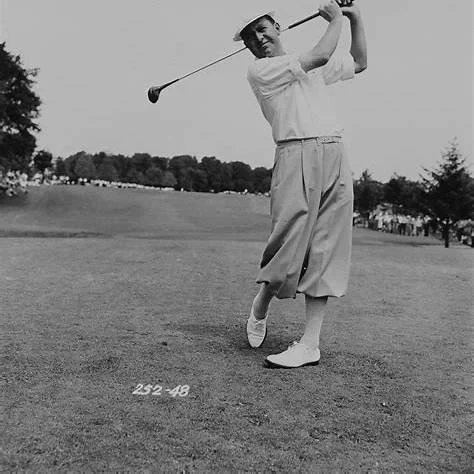
In 1948, on his way to becoming a legend …
D’Arcy
Born Arthur D’Arcy Locke in Germiston, South Africa, in 1917, Locke was winning tournaments in his teens. A precocious talent, he claimed the South African Open as an amateur and would eventually win that championship an unbeaten nine times.
After the Second World War interrupted his career, he returned to golf and quickly went back to what he’d been doing before it—dismantling the best players on the planet.
And that now included the US, where—in fewer than three seasons—he’d play 59 PGA Tour events, win 11 of them and finish in the top three 30 times. In 1948, he won the Chicago Victory National by 16 shots, a margin that still stands among the largest in PGA Tour history.
His secret?
Putting.
His putting stroke was peculiar even by the standards of the time. He took the club well inside, used a closed face and struck the ball in a way designed to produce heavy overspin. The technique looked unconventional. The results were anything but.
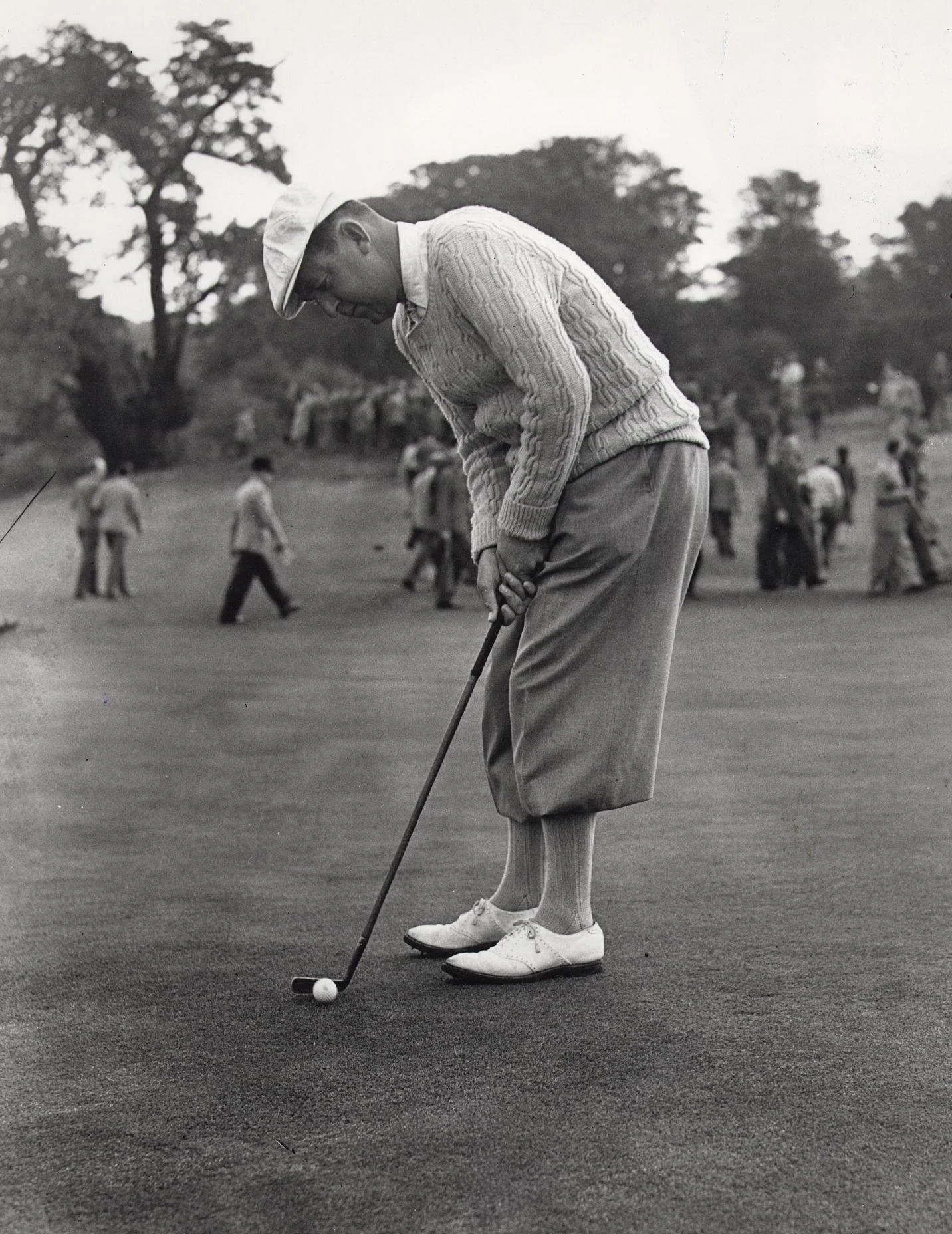
“You drive for show, you putt for dough.”
Locke called the putter the “payoff club”, adding that putting was effectively “a game in itself.”
“You drive for show, you putt for dough,” he told the Americans.
In three short years, they came to understand that wasn’t bluster—it was a philosophy.
Gary Player later offered an even simpler assessment: Faced with a six-footer for his life, Player said, he would choose Bobby Locke every time.
That ability made Locke particularly formidable in Britain, where imagination, distance control and an ability to negotiate enormous breaking greens mattered enormously. He won The Open Championship four times: 1949, 1950, 1952 and 1957.
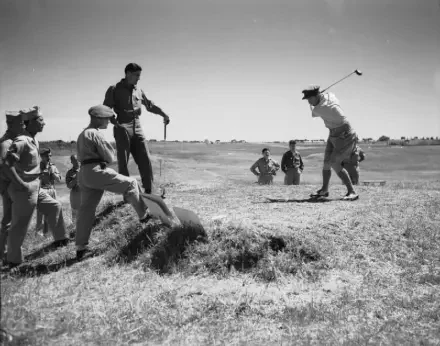
Bobby playing in Foggia, Italy, during the war …
Old Baggy Pants
Locke certainly looked like a man from another golfing age. He became famous for his plus-fours, long socks, white shoes and flat cap. American galleries gave him various nicknames, including “Old Baggy Pants” and the considerably less affectionate “Muffin Face”.
The latter referred to Locke’s almost expressionless demeanour on the course. Because Bobby didn’t do emotion. Instead, he did pars. And birdies. And wins.
His opponents also had plenty of time to contemplate his talent because Locke was deliberate. He played at Bobby Locke speed, and Bobby Locke speed was whatever the hell Bobby Locke decided it was going to be. And if it got under the skin of opponents, he’d slow it down even more. Because Bobby knew how to break rivals. Show him weakness, and you could count on Bobby using it to his advantage. He assumed the same of his opponents—hence why he never showed even a twitch of emotion on the course.
That attitude eventually collided spectacularly with the American golf establishment.
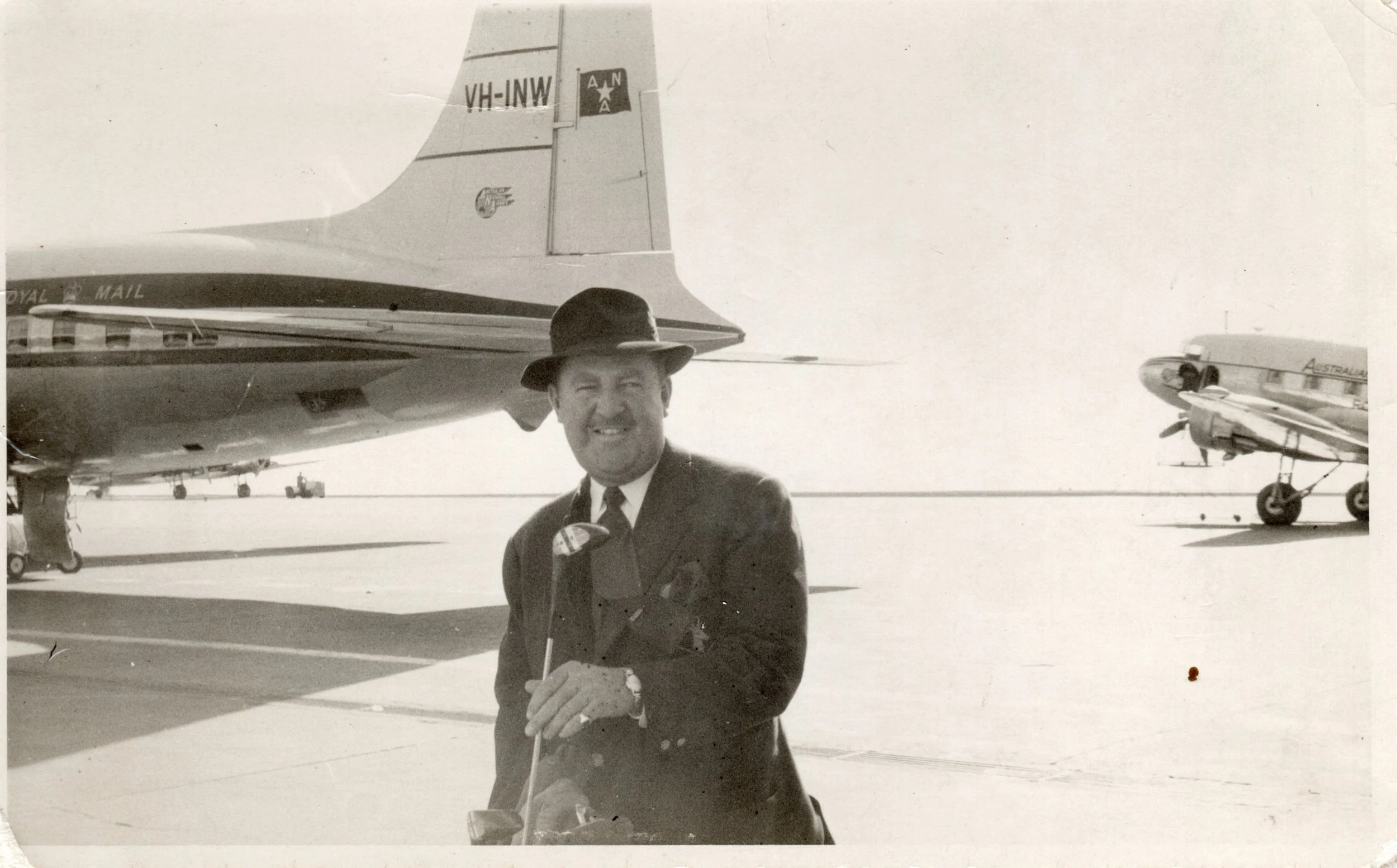
Bobby doing the jetset thing before anyone even knew what the jetset was…
Too Good to Be Popular
In 1949, Locke was barred from PGA Tour after failing to honour tournament and exhibition commitments. Officially, anyway. In truth, he was banned because he’d simply become too successful and too unpopular.
Claude Harmon, the 1948 Masters champion, was later quoted as saying: “Locke was simply too good. We had to ban him.”
The ban was eventually lifted in 1950 on the back of his second Open win. But Bobby didn’t do forgiveness. America was dead to him. Europe suited him better anyway, and Europe received the best years of one of the greatest golfers of his generation.
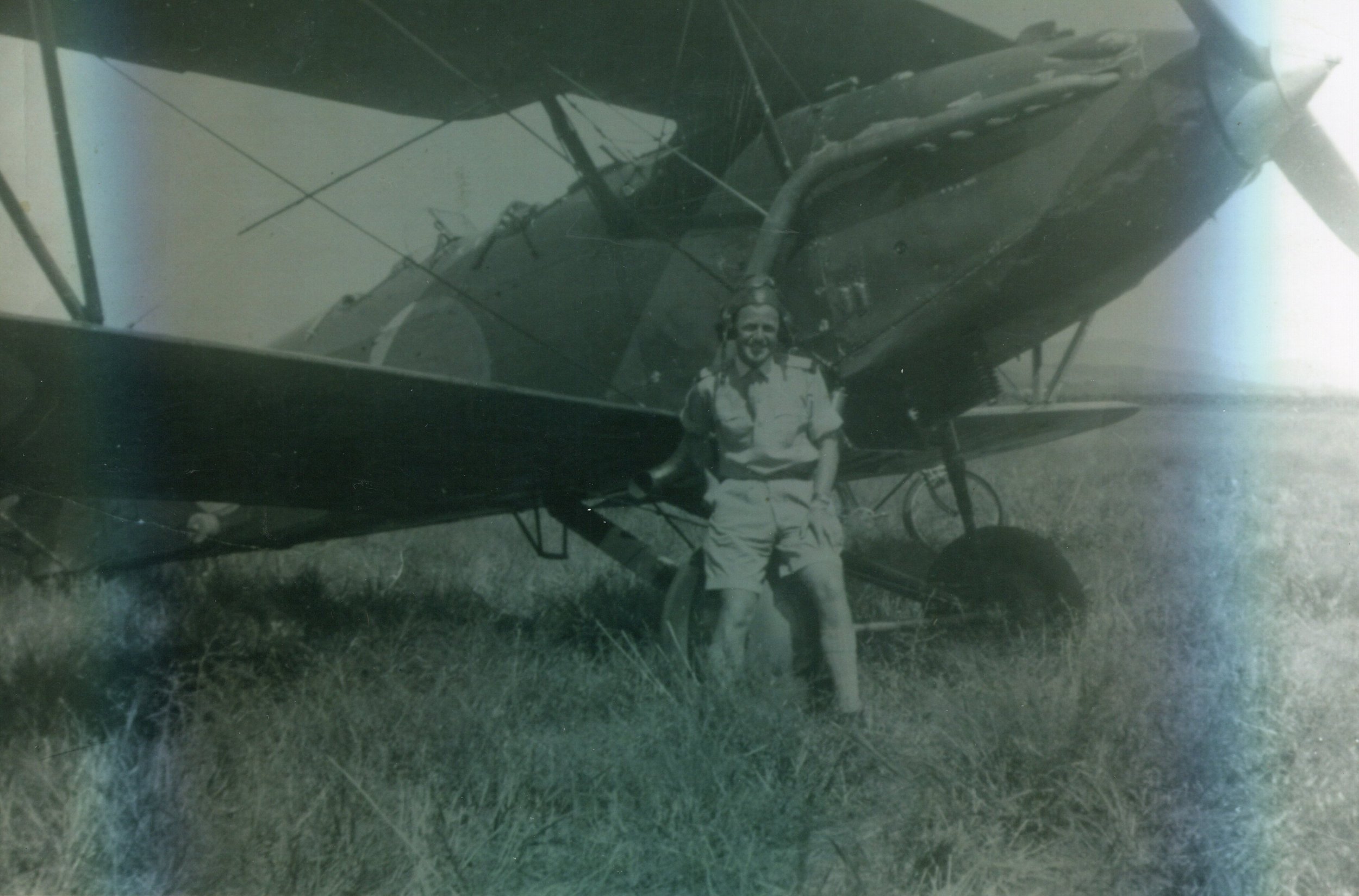
Bobby was a pilot during the war … though his wartime claims were mostly fabricated …
Quotable Bobby
Locke’s quotes have gone down in lore mostly because they’re shorthand for the whole game of golf … and life. Here’re some of his gems.
On ageing: “When you get up there in years, the fairways get longer and the holes get smaller.”
On putting: “You can tell a good putt by the noise it makes.”
And, of course: “You drive for show, but putt for dough.”
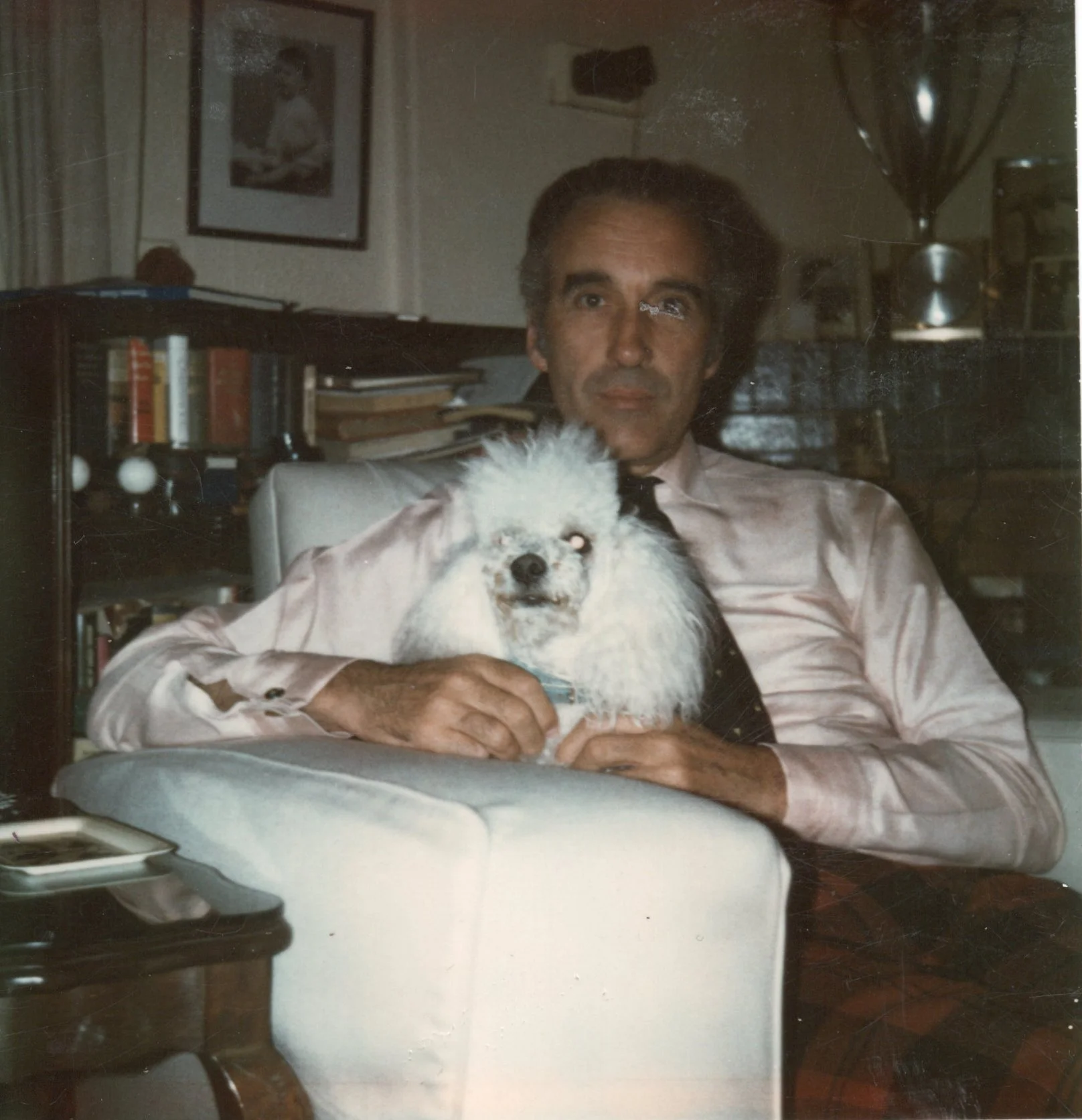
Christopher Lee with Bobby’s dog in his house in Yeoville, South Africa. Locke was a global superstar even after retirement …
Golf's Magnificent Grump
It would be easy to turn Bobby Locke into a lovable eccentric. But as I researched his life for Joburg Zen, the truth is a lot more sinister that that. Bobby, after 1960, was not eccentric. He was dangerous and menacing and wholly unpracticable.
Fights, shootings, abuse … his life came apart at the seams after 1960.
And what happened to his family—his American wife and daughter—makes for uneasy reading.
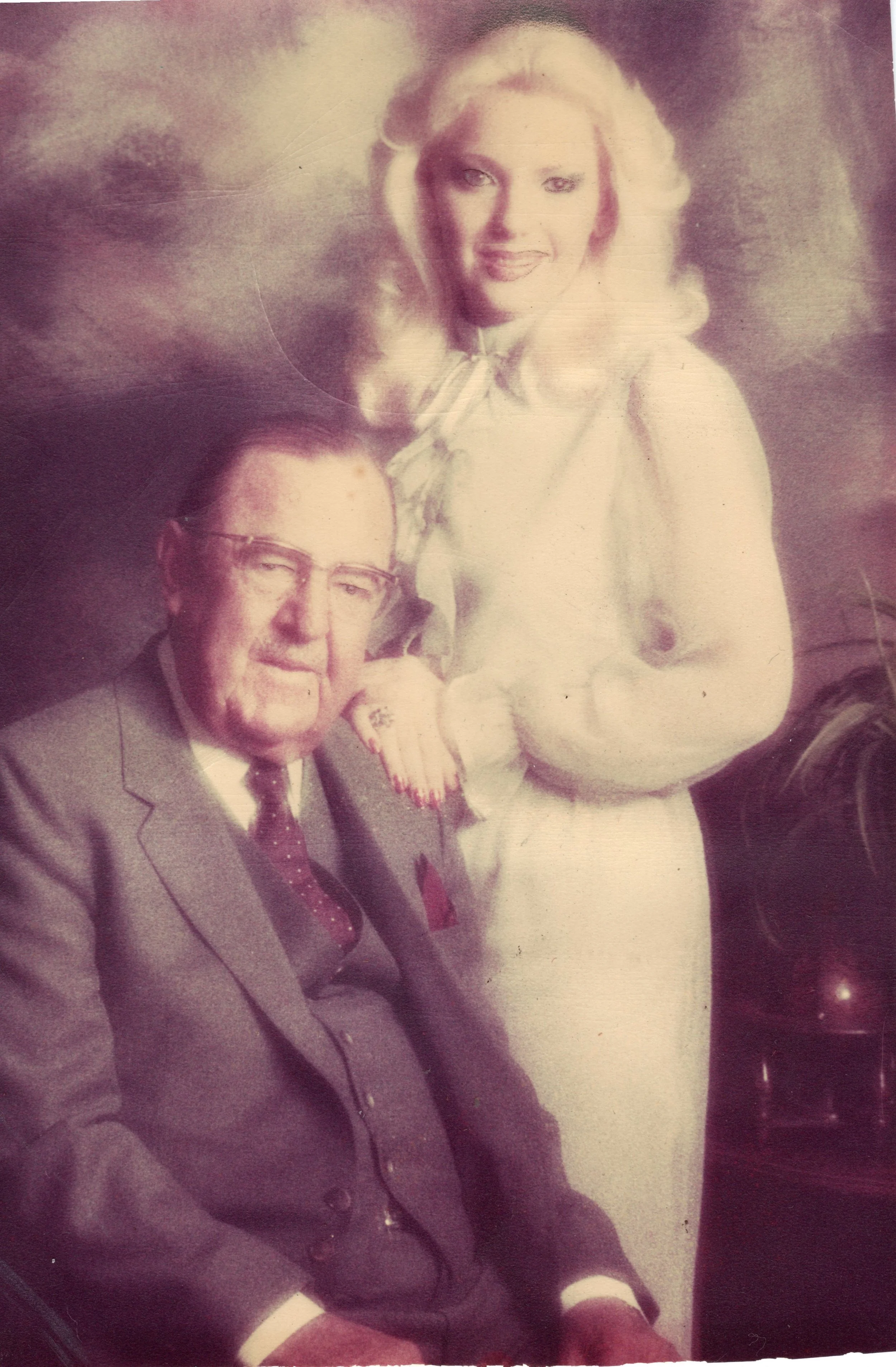
Bobby and his daughter, Carolyn, just before he passed away in 1987